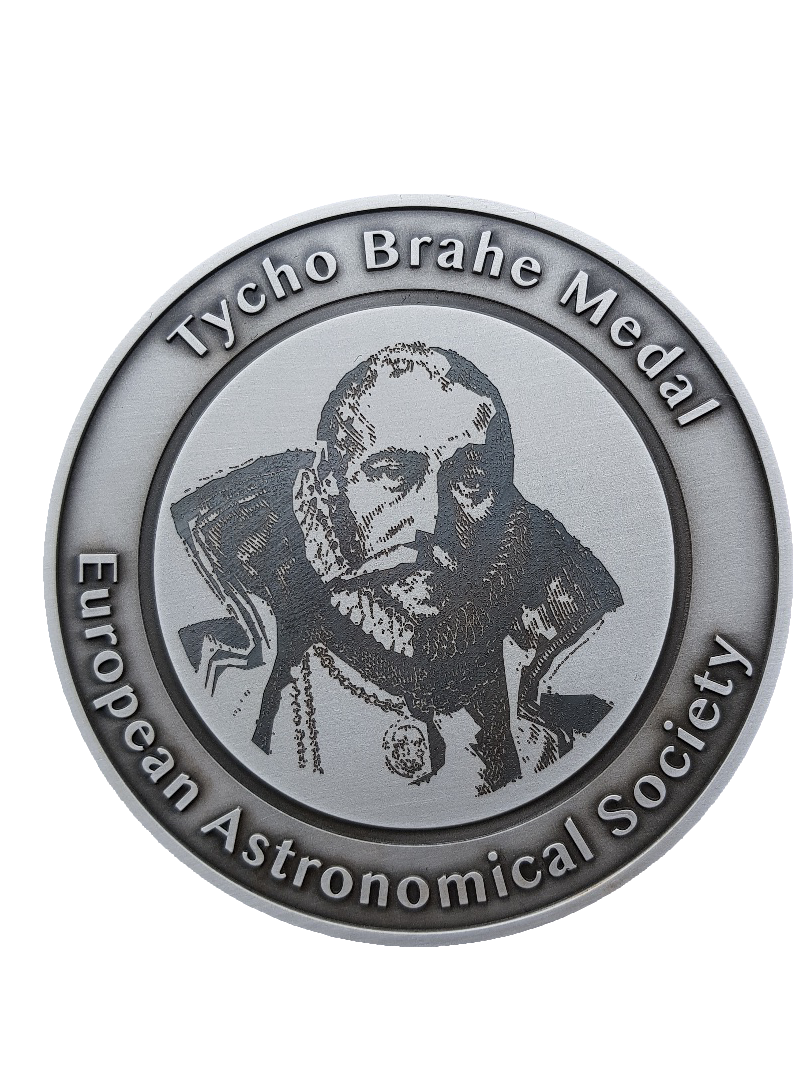
The Tycho Brahe Medal is awarded in recognition of the exploitation or development of European instruments which led to major discoveries.
Until 2018, the EAS awarded a Prize; from 2019, EAS awards a Medal.
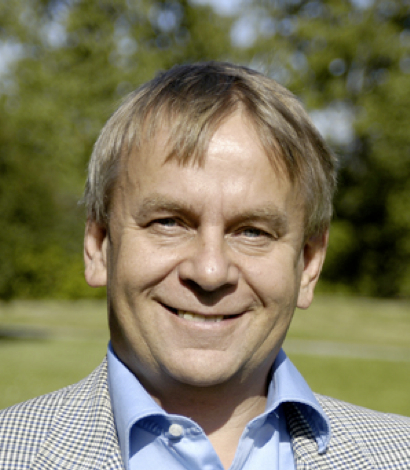
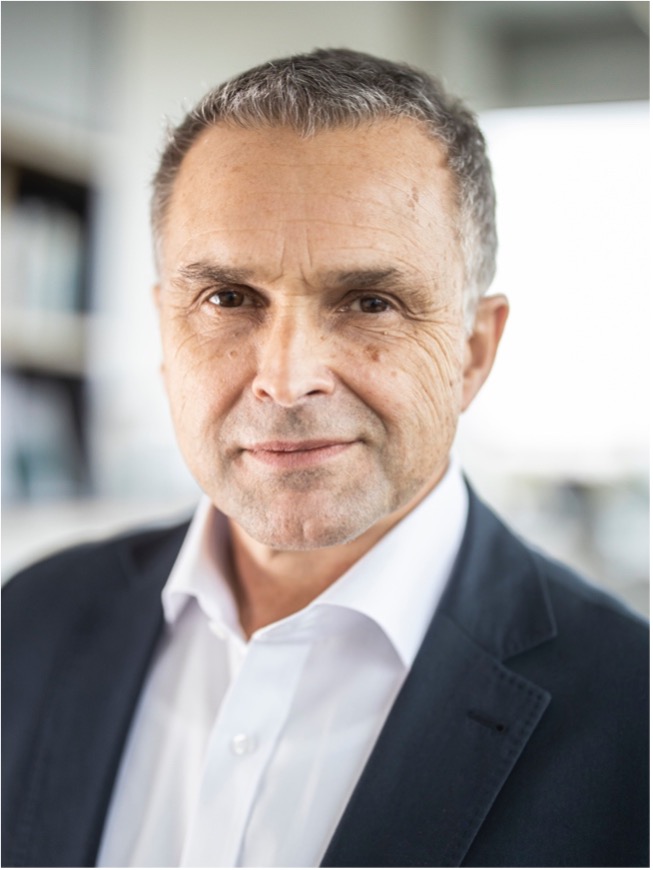
for his many contributions leading to advances in technology for millimeter astronomy and his leadership role in enabling the ambitious NOEMA upgrade.
Dr Karl-Friedrich Schuster has been the Director of the Institut de Radioastronomie Millimétrique (IRAM) since 2013. After studying physics, he completed his PhD at the Ludwig-Maximilians University, Munich and the Max-Planck-Institute for Extraterrestrial Physics in Garching in 1993. Since his PhD, he has spent his career at IRAM. As an early career scientist, he worked on several generations of superconducting detectors and detector systems. In 1997, he took responsibility for the IRAM Superconducting Detector Laboratory. He became IRAM Deputy Director in 2005, and then Director in 2013. Karl-Friedrich Schuster won the Otto Hahn Medal of the Max Planck Society and was appointed as External Scientific Member of the Max-Planck-Institute for Extraterrestrial Physics. As a member of the Event Horizon Telescope Collaboration he has received the Breakthrough Prize in Fundamental Physics, The Einstein Medal, and the Royal Astronomical Society Group Award.
Karl-Friedrich Schuster has pioneered research and development on superconducting detectors and detector systems now massively used in astronomy. As Director of the IRAM observatories, he has played an important leading international role in sub/millimeter astronomy during the phase of extensive growth in the last decade culminating in the full upgrade to NOEMA.
For his PhD thesis at MPE in 1993 he designed, developed and built the world's first superconducting SIS mixer at 690 GHz. This included the development of the sub-micrometer superconducting junction itself, and carried out CO 6-5 observations of low mass young stellar objects with this receiver at the JCMT. As a scientist at IRAM he then developed the first multi-beam SIS receiver (HERA) for imaging spectroscopic measurements in the 1.3mm band for the IRAM 30m telescope.
As head of the IRAM's SIS laboratory from 1997 to 2006, Karl-Friedrich Schuster further drove the development of sub-mm SIS and hot-electron bolometer heterodyne mixers, including detector developments for the ESA's Herschel space telescope. More recently, his work has extended to kinetic inductance detectors (KIDs), particularly promising for broadband and sub-mm applications in large detector arrays., which are of particular interest for broadband and sub-mm applications in large detector arrays. He played a critical role in bringing the NIKA-2 camera, one of the first based on KID technology, to fruition as a facility instrument for the IRAM 30-m telescope.
In his role as Deputy Director Karl-Friedrich Schuster led and coordinated IRAM's efforts for the development of ALMA Band-7 (345 GHz). These involved the development of a new generation of highly sensitive, broad-band and robust SIS heterodyne mixer cartridges, as well as the mass production of 72 such systems. Band-7 is one of the work-horse bands for ALMA, requested by astronomers from all over the world for science ranging from the formation of planets to the formation of the earliest galaxies in the Universe.
Under his leadership as IRAM Director over the last 10 years, the NOEMA (Northern Extended Millimeter Array) upgrade of the Plateau de Bure Interferometer was achieved. This ambitious program doubled the number of antennas from 6 to 12, increasing the bandwidth at all 3 receiver bands to 16 GHz per polarization, extending the east-west baselines to 1.7 km, and enabling world-unique dual-band observing at 1 and 3 millimeters providing 62 GHz of simultaneous bandwidth. The latter capability required the construction of two powerful correlators with cutting-edge technology for processing the signals from 12 antennas across the two full bands. The scientific results emerging from this powerful observatory are world-class and ground-breaking, cementing NOEMA's and IRAM's reputation as technological and scientific global leaders in millimeter astronomy.
In addition to these impressive instrumental achievements, Karl-Friedrich Schuster remains actively engaged in astrophysical research. A series of outstanding papers in nearby galaxies with HERA at the 30-m studied the spatially resolved physical and dynamical properties of molecular gas in nearby spiral galaxies, setting the stage for larger efforts with NOEMA and ALMA. He has also been a key scientific contributor to studies of molecular gas in the early Universe with NOEMA and played a significant role as both a scientific and board member of the Event Horizon Telescope Collaboration.
Karl-Friedrich Schuster has a profound impact on sub-millimeter astrophysics in Europe. The European Astronomical Society is pleased to award him the 2025 Tycho Brahe Medal.
for the development and exploitation of ultra-stable high-resolution spectrographs which revolutionised the detection and characterisation of small-mass exoplanets.
Prof. Francesco Pepe obtained his diploma in physics and his PhD in astrophysics at the Swiss Institute of Technology (ETHZ), developing an infrared imaging spectrometer to fly under stratospheric balloons. He then moved to the department of astronomy of the University of Geneva where his skills and instrumental competences proved to be decisive for the development of the HARPS spectrograph for ESO, of the sister instrument HARPS-North on the Telescopio Nazionale Galileo (TNG) at La Palma, and of ESPRESSO on the VLT. Since 2018, Francesco Pepe has been full professor and director of the Department of Astronomy. His main research topics are the detection of small-mass exoplanets via the measurements of extreme precision radial velocities and the characterisation of planetary atmospheres via transmission spectroscopy at high resolution.
The discovery by Swiss astronomers in 1995 of the first giant planet outside our solar system, rewarded by the Nobel Prize in Physics 2019, spawned a revolution in astronomy in terms of understanding planet formation and evolution. There followed a rapid push to develop the observational capabilities needed to study them in more detail. Prof. Francesco Pepe has led the development of the next generation of ultra-stable spectrographs for extremely precise radial velocity measurements (1 m/s precision and below), including e.g. HARPS on the ESO 3.6m telescope, HARPS-North on the Telescopio Nazionale Galileo (TNG) on La Palma, and ESPRESSO on the ESO Very Large Telescope.
These instruments are central in the activities of astronomers studying exoplanets. HARPS observations led to the discovery of an unexpectedly large population of small planets, super-Earths and Neptune-like planets close to their stars, that are not found in our Solar System. To confirm and measure the mass of the planet candidates detected by the Kepler satellite, a copy of HARPS was developed and installed in the northern hemisphere on the TNG on La Palma by an international consortium led by Prof. Pepe. HARPS-North has been since then a key instrument for the study of the internal composition of small-mass planets. ESPRESSO on the VLT has made exquisite radial-velocity measurements of unrivalled precision (at 3? level of 25 cm/s) which has enabled mass measurements for even lower-mass planets, reaching less than the mass of the Earth for planets on close-in orbits.
High-resolution, ultra-stable spectrographs developed for extreme precision radial velocity measurements have also proven to be perfect instruments for the analysis of the atmospheres of exoplanets via transit spectroscopy. The stability and spectral fidelity of the new generation of spectrographs is such that it has made possible the separation of the spectral information coming from the planet itself, e.g., through ground-based transmission spectroscopy, thus enabling the study of planetary atmospheres.
Through the development of ultra-stable high-resolution spectrographs, the contribution of Prof. Francesco Pepe to the field of exoplanets and to astrophysics in general has been outstanding.
The European Astronomical Society is pleased to award Prof. Francesco Pepe the 2024 Tycho Brahe Medal.
for major advances in Very Long Baseline Interferometry that led to the first images of the shadow of the black holes in the galaxy M87 and in our own Galactic centre.
Prof. J. Anton Zensus obtained his PhD from the University of Münster, and worked as a postdoc and staff scientist at the California Institute of Technology and the National Radio Observatory, before becoming Director at the Max Planck Institute for Radio Astronomy in 1997 and honorary professor at the University of Cologne in 2005. Zensus is recognized for a cutting-edge research and technology program, especially for his leading contributions to the research of Active Galactic Nuclei (AGN) and their radio cores and jets through intercontinental Very Long Baseline Interferometry (VLBI). Zensus has led pioneering technological and methodological breakthroughs: among these are critical improvements of VLBI polarisation performance, accurate positional measurements from VLBI data, and detailed analysis of the two-dimensional structure of radio emission. Zensus and his team developed several generations of digital recording equipment, developed and operate a massive VLBI correlation facility adapted for space and mm-VLBI processing, and delivered critical components of the ALMA phasing system. As Chair of the Board of the EHT Collaboration, Prof. Zensus has made important contributions to all aspects of the research program.
Anton Zensus is recognized for his leadership over decades in advancing radio astronomical observations with extreme angular resolution and sensitivity. By the early 1980s, the astronomical technique of Very Long Baseline Interferometry (VLBI) had been pioneered as the most powerful means of studying and ultimately imaging the structure in the central regions of Active Galactic Nuclei. At that time, VLBI was optimized for centimetre radio waves, and achieved imaging details on the scale of light years, enough to study details in the jets but not to resolve the central core thought to harbour the central engines.
Much higher resolutions were needed to confirm the prediction that the central engines consist of supermassive Black Holes, requiring the extension of VLBI to shorter millimetre wavelengths or even beyond the size of the Earth with orbiting radio telescopes. As the Director for VLBI at the Max Planck Institute for Radio Astronomy (MPIfR), Anton Zensus and his team tackled the challenge and used the IRAM 30m telescope and the Plateau de Bure interferometer to observe first fringes at 1.3mm. Transatlantic fringe detections followed, and they created with international partner organisations the Global millimetre VLBI Network, which produced reliable output of research data at 3mm. The next technically feasible step was to select telescopes capable of observing at 1.3mm, among those the two IRAM telescopes, APEX, and also ALMA, and equip them with the necessary hardware and software. Again, first experimental fringes were obtained from both sides of the Atlantic.
Since the late 1970s, computations of the vicinities of black holes showed that the event horizon of a supermassive black hole should be observable as a dark "shadow" with an angular size that relates in a simple way to the distance of the object, and its mass against the distorted background of its surrounding gas emission. The small size of the expected shadow, even for the most promising candidates, M87 and our Galactic Centre, confirmed the long-standing expectation that such observations would require a significant improvement of existing observing systems, and an efficient collaboration on a global scale. This became the Event Horizon Telescope (EHT) Collaboration. The EHT made short wavelength (1.3mm) observations with an array of telescopes distributed across Europe, the Americas, Oceania, and Antarctica that achieved an angular resolution of 20 micro-arcseconds, necessary to image the black holes in Messier 87 and Sgr A*.
As well as confirming the masses derived from other methods, these measurements have allowed the shadow of the black hole to be imaged against the relativistic matter orbiting it within a few Schwarzschild radii. This is significantly closer than other methods permit, and thus enters the realm where the effects of General Relativity are most significant. Anton Zensus played a key and foundational role from the outset, most visibly in his critical central role as the Founding Chair of the EHT board. He succeeded in brokering and maintaining the necessary but complex synergies between different and initially competing groups in Europe, the USA and Asia, which ultimately paved the way for the EHT's success.
All these achievements make Prof. J. Anton Zensus an outstanding awardee of the Tycho Brahe Medal.
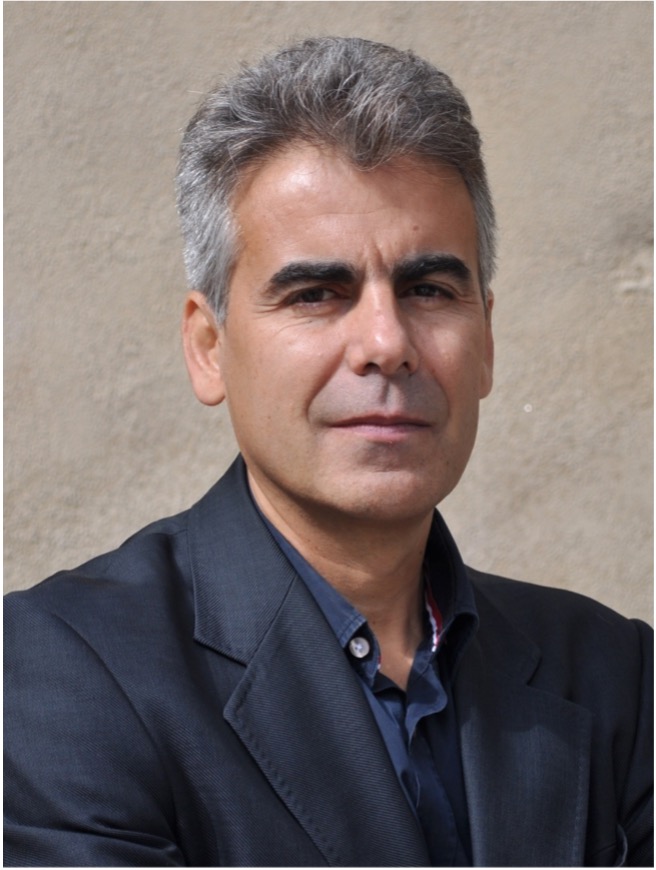
for the development of novel astro-statistics methods and open source analysis tools which have enabled optimal scientific exploitation of astronomical data obtained from European space and ground based facilities leading to major discoveries in extragalactic astrophysics and cosmology.
Dr Jean-Luc Starck is Director of Research at CEA Saclay, France. He holds a Ph.D from Nice Observatory (1992) and a Habilitation from the University Paris XI. In 2010 he founded and has since been leading the CosmoStat lab at CEA, an interdisciplinary research group performing cutting edge research at the interface between astrophysics, cosmology and statistics. Dr. Starck served as the first vice-president of the International Astrostatistics Association (2012-2018) and received the IAA fellowship in 2016. He has received the EADS prize of the French Academy of Science in 2011, as well as the 2018 Gruber Prize in Cosmology (as a member of the ESA Planck team) and is member of Academia Europae (since 2021). Over the last 10 years, he has been awarded competitive research funding including an Advanced ERC. He has published over 250 refereed papers in astrophysics, cosmology, signal processing and applied mathematics, which have received more than 89,000 citations and he is also author of three books. He is heavily involved in the Euclid space mission of ESA, which will soon be launched.
Jean-Luc Starck is a pioneer in the field of astrostatistics: Modern telescope facilities produce large amounts of data and require advanced analysis techniques to achieve their scientific goals. Thus astrophysicists have been increasingly relying on statisticians to develop sophisticated and mathematically robust methods to reduce and interpret their data, leading to a new interdisciplinary field, astrostatistics. Dr. Starck is among a handful of scientists leading this dynamic new field. His CEA group has been at the forefront of advancing astrostatistics, providing sophisticated methods and software tools to tackle Big Data management and analysis.
Dr Starck has been a pioneer in the field of harmonic analysis developing new wavelet and curvelet decompositions, and showing how they could be used to solve very ill posed inverse problems, covering a broad range of fields such as sources detection, deconvolution, interferometric image reconstruction, component separation, inpainting and weak lensing mass map recovery. His group has been the first to investigate the concept of compressed sensing in the astrophysical field, leading to the striking results that interferometry radio-image resolution can be improved by 4 using compressed sensing.
His work had a direct impact on the science results of several space projects: the Infrared Space Observatory (ISO) relied on his calibration approach and galaxy detection methods to analyse the first deep infrared surveys opening a new window on dust obscured galaxy evolution at high-z. His work on wavelets and Poisson noise allowed him to propose a solution for deriving robustly both the XMM cluster catalog and the Fermi source catalog. His Morphological Component Analysis method further enabled the study of molecular cloud filaments in star formation. Dr Starck's work on weak lensing had success with HST and will bear strong impact in the future with the Euclid mission.
Dr Starck has put substantial effort for the advancement of astrostatistics via the training of the next generation of scientists. He has supervised more than 30 PhD students and postdocs and he organized 24 astrostatistics conferences and 3 summer schools. He has also published three books in the field of signal processing and astrophysical data analysis geared towards advanced undergraduate and graduate students as well as researchers entering the field.
All these achievements make Dr Jean-Luc Starck an outstanding awardee of the Tycho Brahe Medal.
for his leadership of the SINFONI and GRAVITY instruments on the ESO VLT, which revolutionized the study of exoplanets, super-massive black holes, and star forming galaxies in the Early Universe.
Dr Frank Eisenhauer studied Physics at the Technical University of Munich (TUM) and obtained his PhD in 1998 from the Ludwig Maximilian University Munich. He is currently a Senior Research Scientist at MPE, and Adjunct Teaching Professor at TUM. From 1998-2004 Dr Eisenhauer was Project Scientist and then Principal Investigator (PI) of the world's first adaptive optics (AO)-assisted, near-infrared integral field spectrometer on an 8m class telescope, SINFONI. He is now PI of the GRAVITY project which required major breakthroughs in fast-read-out imaging detectors, cryogenic operation with single mode fibers and integrated optics, laser metrology tracing the entire beam path, and phase-referenced, dual-beam operation. GRAVITY has been in operations on Paranal since 2016. Both SINFONI and GRAVITY are part of the instrument suite employed in the discovery and characterization of the Galactic Center Black Hole, which led to the Nobel Prize 2020 in Physics.
Over the last 20 years, Dr. Eisenhauer has led the development of two major, game-changing instruments for ground-based infrared astronomy, SINFONI and GRAVITY at the ESO Very Large Telescope (VLT); these have led to fundamental results on massive black holes, active galactic nuclei, galaxy and star formation. Dr Eisenhauer not only was the heart and soul of most aspects of the design and development of these complex and innovative instruments but also has been a leader of their scientific exploitation, and lead-author on several of the seminal papers.
The AO-assisted integral field spectrometer SINFONI revolutionized kinematic studies in galactic nuclei, and most importantly, in red-shifted star-forming galaxies at the peak of galaxy formation activity a few Gyrs after the Big Bang. The more than 300 papers using SINFON@VLT data since its commissioning in 2003 demonstrate the enormous scientific impact across a wide range of Galactic and extragalactic astronomy. The development of SINFONI catapulted IFUs to the leading design choice of imaging optical/IR spectroscopy at all large telescopes, including the Extremely Large Telescope, especially when combined with AO. GRAVITY combines the light of all four 8m VLT telescopes interferometrically, for an effectively 130m diameter giant telescope, with milli-arcsecond resolution. GRAVITY for the first time allows faint interferometric infrared imaging, and micro-arcsecond astrometry. It is probably fair to say that GRAVITY is the most innovative optical/near-IR instrument of the last decade. GRAVITY can image in the Galactic Center stars as faint as K ? 19 mag, carry out differential spectro-astrometry at the micro-arcsecond level and do polarization sensitive astrometric imaging at the 50 micro-arcsecond scale.
After a mere 3 years of science operation, GRAVITY has already provided stunning results, such as a) Measurements of the gravitational redshift and Schwarzschild precession in the orbit of the star S2, via combining GRAVITY astrometry and SINFONI spectroscopy; b) Proof of Einstein's equivalence principle and the local invariance of position in the S2 orbit; c) Observation of gas motions (~0.3 speed of light) close to the innermost stable orbit ISCO at ~4-5 Schwarzschild radii around SgrA*. This measurement provides very strong support that SgrA* indeed is a Schwarzschild-Kerr massive black hole; d) Direct determination of the distance between the Sun and the Galactic Center with a precision of ~0.3%, 10 times better than previous measurements and important for the determination of extragalactic distances and of fundamental physical data in the Milky Way; e) Direct measurement of sub-light year structure and kinematics of the Broad Line Region and the mass of the quasar 3C273, at a distance of about 1.4 billion light years from the Sun; f) Measurement of exoplanet spectra with a contrast far surpassing that of dedicated systems of extreme adaptive optics; g) First spatially resolved images of gravitational microlensing.
Dr Frank Eisenhauer is the leader and driver in all aspects of this remarkable story. He designed most elements of the complex experiment and found solutions to a number of problems that occurred during the development period. He is expert of the many challenges to extract the best scientific data. He leads the scientific interpretation of the Galactic Center project and was the corresponding author of the gravitational redshift paper. Without any doubt Dr Eisenhauer is one of the leading experimental astrophysicists worldwide of his generation. His leadership of SINFONI and GRAVITY have contributed in a significant way to making European facilities unique and world-leading. His achievements make Dr Frank Eisenhauer an outstanding awardee of the Tycho Brahe Medal.
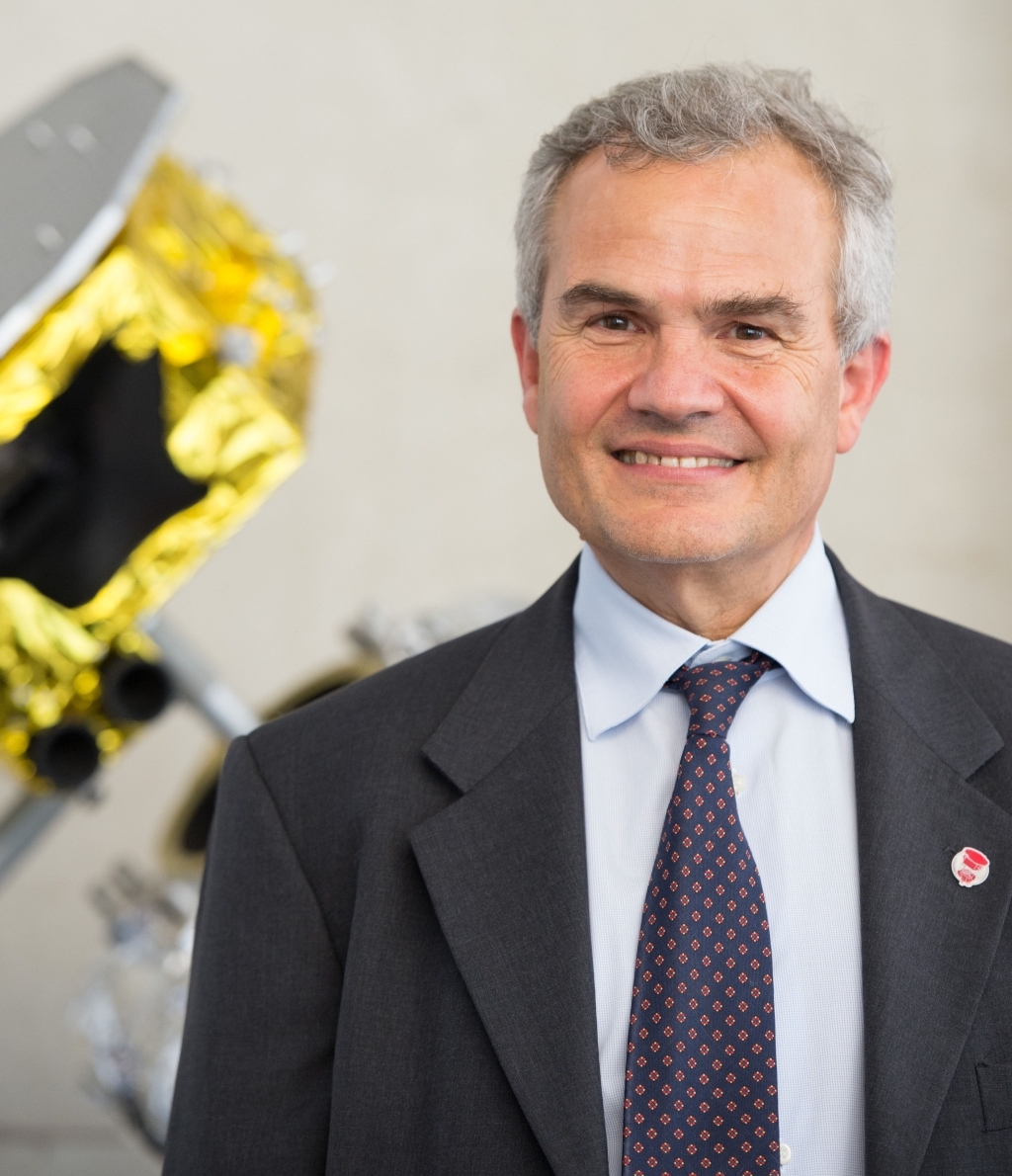
for leading the LISA Pathfinder mission which has demonstrated with extraordinary precision the technology required for the future Laser Interferometer Space Antenna whose fundamental aim is to observe low frequency gravitational waves from space.
Prof. Stefano Vitale studied physics at the University of Rome. He then occupied various positions at the University of Trento. In 1985, he was promoted to associate professor at the University of Trento and in 1994 to full professor at the same university. He was also visiting scholar at the University of California in Berkeley and at the University of Stanford. He started working in condensed matter physics, but then turned to gravitational physics. Since 1995, Prof. Vitale has been involved in space activities devoted (i) to tests of General Relativity and (ii) to observe gravitational waves, the latter as a member of the ESA study team for LISA. Since 2003, Prof. Vitale is the Principal Investigator (PI) of the LISA Technology Package payload on board of the LISA Pathfinder mission of ESA. Since mid of 2017, he is chair of the Science Program Committee (SPC) committee of ESA. He served in numerous various committees and held also various university managements responsibilities.
Initially working in the field of condensed matter and biophysics, Prof. Stefano Vitale turned his attention to phenomena in superconductivity and around 1989 he started to work on the realization of a resonant-antenna observatory for gravitational-wave bursts. This activity, under the lead of Prof. Cerdonio, brought to the construction of the gravitational wave detector Auriga at the Laboratori Nazionali di Legnaro nearby Padova, which took data from 1997 till about 2015.
Prof. Vitale turned his attention to the detection of gravitational waves in space and started to work on the technology of free fall in space. This lead then later to the design of the LISA Pathfinder mission. The operation of LISA is based on laser ranging of test-masses under pure geodesic motion. Indeed, gravitational-wave detection relies on monitoring with high accuracy two freely falling bodies. This technology for space was not available at the level of precision needed for LISA and had thus to be designed and built ab initio increasing the precision by at least two orders of magnitude. Stefano Vitale played a crucial role in its conception and subsequent design, then in its realization and, as far as possible, in its verification on Earth before launch. The latter was done in his laboratory at the University of Trento by means of the so-called torsion pendulum. These measurements were crucial to systematically improve the drag-free technology and bring it to required level, as well as for the understanding of the residual forces acting on the test masses. Only with their precise knowledge it is possible to use this technology in LISA for measuring gravitational waves. Stefano Vitale gave important contributions in the subsequent analysis of the data coming from the LISA Pathfinder drag-free technology package. Thanks to which there is now a clear understanding of all non gravitational forces acting on the test-masses, which is a crucial step for being able to go forward with the LISA mission. The now established drag-free technology opens the door to other uses in the space science beyond the gravitational wave detection, as for instance it could be used for satellite missions aiming at testing more precisely the general relativity.
Since 2003, Prof. Vitale was the Principal Investigator (PI) of the LISA Technology Package payload on board of the LISA Pathfinder mission of ESA. Prof. Stefano Vitale played an eminent role in the very successful LISA Pathfinder mission of the European Space Agency (ESA). LISA Pathfinder was a very successful mission that was launched in December 2015 and took data till July 2017. ESA awarded in October 2017 the ESA Corporate Team Achievement Award 2016 to the LISA Pathfinder team. The LISA Pathfinder has proven that its residual noise was well below the requirements and already at the level of what is needed for building LISA. This excellent performance of LISA Pathfinder together with the ground-based discovery in 2016 and 2017 of gravitational waves by LIGO and VIRGO interferometers made a significant impact and helped the selection on 20 June 2017 of LISA by ESA as one of its large missions (L3): LISA is now in Phase A. In addition, after these historical success and discoveries, NASA is now back again as a partner in LISA.
for fundamental contributions to the development and implementation of 3D spectroscopy on optical and infrared telescopes and for his international leadership of observatory instrumentation programmes.
Guy Monnet was born in Lyon, France. After a diploma of engineer from the Ecole Polytechnique in 1962, he obtained a Master in Physics and Mathematics from the University of Paris in 1963, followed by a PhD from the University in Marseille in 1968. as Astronomer, becoming its Director from 1971 to 1976. Guy Monnet then moved to his natal city, serving as Director of the Observatoire de Lyon from 1976 to 1987, while becoming member of the Academy of Sciences of Lyon in 1978. He became the Associate Director (1987-1990) and then Director (1990-1993) of the Canada-France-Hawaii Telescope (CFHT), until his return in 1993 in Lyon. He became Head of the ESO Instrumentation Division from 1995 to 2003, and Head of the ESO Telescope Systems (2004-2006). From 2006 to 2009, Guy Monnet worked for the ESO Extremely Large Telescope, as Project Scientist. He travelled further to Australia, becoming Head of Instrumentation of the Australian Astronomical Observatory from 2010 to 2011. Guy Monnet is now Professor Emeritus at CRAL (formerly Observatoire de Lyon).
Prof. Guy Monnet further developed the 3D spectrographic capability, beyond the scanning Fabry Perot. He took the concept of integral field spectroscopy, invented by Georges Courtès, and led the development of the first working instrument (TIGER) at CFHT with Roland Bacon and Yvon Georgelin. This lenslet array based facility demonstrated the unique capabilities of this approach and produced a number of key scientific results such as the first ever contiguous two-dimensional stellar velocity field of a galaxy. This opened the road for a long list of very successful development of integral field spectrographs, e.g., SAURON (WHT) and MUSE (VLT). Today most major observatories around the world, and key space missions, have integral field spectrometers as essential components of their instrument complement.
Prof. Guy Monnet took responsibility for the organisation and management of science. He became director of the Marseille Observatory at age thirty. He went on to become director of Lyon Observatory, director of CFHT, head of ESO Instrumentation Division and head of AAO Instrumentation. His vision has successfully impacted the development of ground based instrumentation world-wide. For example, most of the first and second generation VLT instruments were developed under his stewardship. He also guided the development of Adaptive Optics at ESO producing what is now the Adaptive Optics Facility. Guy Monnet has a deep knowledge of all aspects of instrumentation driven by his passion for astronomy. Recently Guy Monnet has disseminated his knowledge of 3D instrumentation by writing the first textbook on this subject together with Roland Bacon.
Guy Monnet's contributions have propelled European ground based astronomy into the forefront of astronomical research. Today, thanks to the VLT and its very successful suite of instruments, Europe has a world leading programme in ground based astronomy, and Prof. Guy Monnet has been an essential piece of this success story.
in recognition of the role as driving force behind OGLE (Optical Gravitational Lensing Experiment), one of the most successful and longest running sky-variability surveys ever undertaken. OGLE has made a significant impact on many fields in modern astrophysics.
Andrzej Udalski was born in Łódź, Poland. He graduated in 1980 from the Faculty of Physics at the University of Warsaw and obtained there his PhD thesis in 1988. He then moved to York University in Toronto, Canada as a postdoc and returned to Poland after two years. He obtained his habilitation at the University of Warsaw in 1995 and became professor in 2000. He directed the Astronomical Observatory from 2008 to 2016. Prof. Udalski has won several awards, including the prize of the Foundation for Polish Science in 2002, the highest for a Polish scientist, an ERC IDEAS Advanced Grant in 2009, and the Dan David Prize in 2017 in recognition to his role as a pioneer in the field of time-domain astronomy. He is a member of the Polish Academy of Sciences and the Polish Academy of Arts and Sciences since 2004 and a Foreign Associate of the US National Academy of Sciences since 2012. Prof. Udalski is the driving force behind OGLE (Optical Gravitational Lensing Experiment), one of the most extensive and longest running sky-variability surveys ever undertaken. He leads all aspects of OGLE, from the scientific goals, construction of the detectors and the dedicated 1.3m Warsaw Telescope (Chile), developing sophisticated data analysis software, and interpretation of the results. Prof. Udalski's work continues to have a considerable impact on many fields in modern astronomy, such as gravitational microlensing, extrasolar planets, variable stars, stellar astrophysics, structure of the Milky Way and the Magellanic Clouds, calibration of the cosmic distance scale, and discovery of Kuiper Belt objects.
Professor Andrzej Udalski's scientific career has been connected with the OGLE survey since the early 1990s. He put into practice the early idea by Bohdan Paczyński to regularly monitor millions of stars to search for sudden brightening caused by gravitational lensing by hypothetical dark massive objects in the halo of the Milky Way. OGLE has produced top ranked discoveries across many fields of modern astrophysics for almost three decades.
Andrzej Udalski designed and constructed detectors for consecutive phases of the OGLE project. The current phase (OGLE-IV) uses a large new generation CCD mosaic camera with 32 detectors, one of the largest scientific instruments of this type worldwide. Prof. Udalski designed and assembled all aspects of this camera ? the mechanical parts, electronics, software, and the interface with the Warsaw Telescope, located at the Las Campanas Observatory in Chile. He also implemented the data pipeline software and the efficient real-time data analysis systems, including the Early Warning System, very successfully used for the real time detection of gravitational microlensing events since 1994.
The application of such massive photometry went well beyond the detection of microlensing events, making OGLE one of the largest sky-variability surveys ever undertaken. A vast quantity of data on stellar variability was collected, analysed and made freely available to the astronomical community. The OGLE collection of well characterised periodic variables is the largest in modern astrophysics.
Prof. Andrzej Udalski is the author or co-author of close to 500 publications in peer-refereed journals (including about a dozen articles in "Nature" and "Science"), which totalise more than 20,000 citations so far.
in recognition of his leading role in the optical design of astronomical telescopes, cameras
and spectrographs over the past 40 years.
The European Astronomical Society awards its 2017 Tycho Brahe Prize to Bernard Delabre
in recognition of his very successful career at ESO, where he has exemplified the tradition
of working at the forefront of technological evolution and has made profound contributions
to optical and infrared ground based astronomy, which benefit the entire astronomical
community both in Europe and worldwide. He has been involved in the design of the optics
of nearly all the instruments built by ESO over the past 35 years, including HARPS at La
Silla, and UVES, MUSE, ERIS, HAWK-I, and CUBES at the Very Large Telescope. He has been
the chief optical designer of a number of telescopes including the Extremely Large
Telescope, for which he invented the beautiful five-mirror solution.
Bernard Delabre is a French optical engineer born in 1952. He was largely raised in Algeria
and received a diploma in Optics in 1974 at the Ecole d'Optique de Morez in France. He worked
for a few years at the Société SEIMA (now VALEO) designing car headlights before
joining ESO in 1977 where he has been employed ever since. During his 40 years of service at ESO,
Bernard Delabre has made profound contributions to optical and infrared ground based astronomy,
which benefit the entire astronomical community. Three of the ten pioneering spectrographs of the
twentieth century are attributed to him. He has been the chief optical designer of a number of
telescopes, from the NTT to the E-ELT and beyond. His genius has been in the optimisation of the
instrument designs and a clear vision of what astronomers need and how the details of an optical
design can be merged with the mechanical constraints at optimal performance. It has been normal to
find astronomers, mechanical engineers, control engineers, system analysts all sitting next to him
in his office discussing, negotiating and evolving designs and constraints.
in recognition of his visionary development of X-ray instrumentation, from balloon experiments
and the discovery of cyclotron lines probing the magnetic field of neutron stars to his
leadership and strong scientific involvement in the ROSAT mission.
The European Astronomical Society awards its 2016 Tycho Brahe Prize to Professor Joachim
Trümper in recognition of his long and very successful career in X-ray astronomy
associated to the development of instrumentation of increasing sophistication.
J. Trümper went a long way from his PhD thesis on the development of the first triggered
spark chamber used to study cosmic rays from the Zugspitze mountain to the development of
X-ray CCDs for ESA's XMM-Newton satellite. Two major milestones in his exceptional
career are the development of a competitive stratospheric balloon programme with hard X-ray
instrumentation and the initialization, design and completion of the German-led ROSAT space
mission for soft X-ray astronomy. The first development led to the detection in 1978 of a
cyclotron absorption line in Hercules X-1, which allowed for the first time a direct measure
of the extreme magnetic field of a neutron star. The scientific return of the ROSAT mission
from 1990 to 1999 was impressive with about 4'300 refereed publications and around 160'000
citations. Besides being the principal investigator and the director of the observatory,
J. Trümper was personally involved in a number of ROSAT highlights. These include in
particular the famous X-ray picture of the moon, the unexpected discovery of X-rays from
the comet Hyakutake, the discovery of the first millisecond pulsar in X-rays, and the
ROSAT deep and ultra-deep surveys.
Joachim Ernst Trümper was born in 1933 in Haldensleben. He finished the high school
in 1951 in Bernburg and spent a year in industry as an apprentice in electro-mechanics,
since he was not admitted to an university in the GDR for political reasons. In 1952 he
succeeded to enroll at Halle University to study physics. In 1955 he moved (illegally)
to Hamburg and in 1957 to Kiel. Here he obtained the PhD in physics in 1959 and became
a cosmic ray physicist. After the discovery of pulsars he became interested in neutron
star physics and the young field of X-ray astronomy. In 1971, he started a comprehensive
program in X-ray astronomy at the University of Tübingen, before he moved in 1975 to
the Max-Planck-Institute for Extraterrestrial Physics (MPE) in Garching near Munich. After
his retirement from the MPE directorship in 2001, he is continuing his scientific work
at the institute. Since 50 years his hobby is sailing, currently on an H-Boat on the
nearby Chiemsee.
in recognition of the development of instrumentation, which led to his discovery of the first
extra-solar planet orbiting a solar-type star and to his leading role in this domain during
the last twenty years.
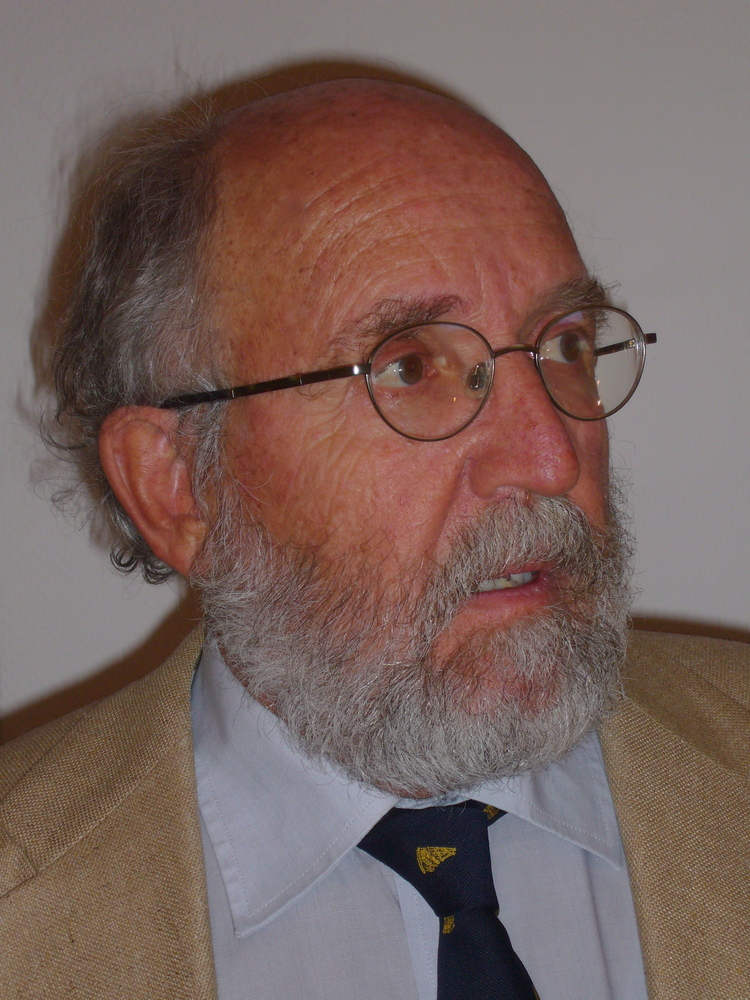
The European Astronomical Society awards its 2015 Tycho Brahe Prize to Professor Michel Mayor
in recognition of his lifelong quest to advance the precision, efficiency and scientific value
of stellar radial velocity observations. His series of ground-breaking instruments have reduced
velocity errors by an unprecedented ~3 orders of magnitude, down to 1 m/sec or lower. The vast
scientific rewards include fundamental breakthroughs in binary and pulsating star properties,
star cluster dynamics and Galactic evolution, culminating in the discovery of the first extra-solar
planet 20 years ago and the birth of a new scientific discipline - with European leadership
throughout. The exponential growth of exoplanetary science continues today with new theory and
observations from the ground and space.
Michel Mayor is a Swiss astronomer born in 1942. He completed his studies at the University of
Geneva in 1971 with a PhD on the kinematical and dynamical properties of stars in the solar
vicinity. He has remained at this University ever since, rising to the rank of Professor and
Director of the Observatory. He is first author or co-author of over 400 refereed papers on a
wide range of subjects, with over 30'000 citations, and has received numerous honorary doctorates
and prizes, including the Shaw, Balzan, and BBVA prizes.
in recognition of his innovative concepts and inventions now widely used in modern
optical imaging at high angular resolution.
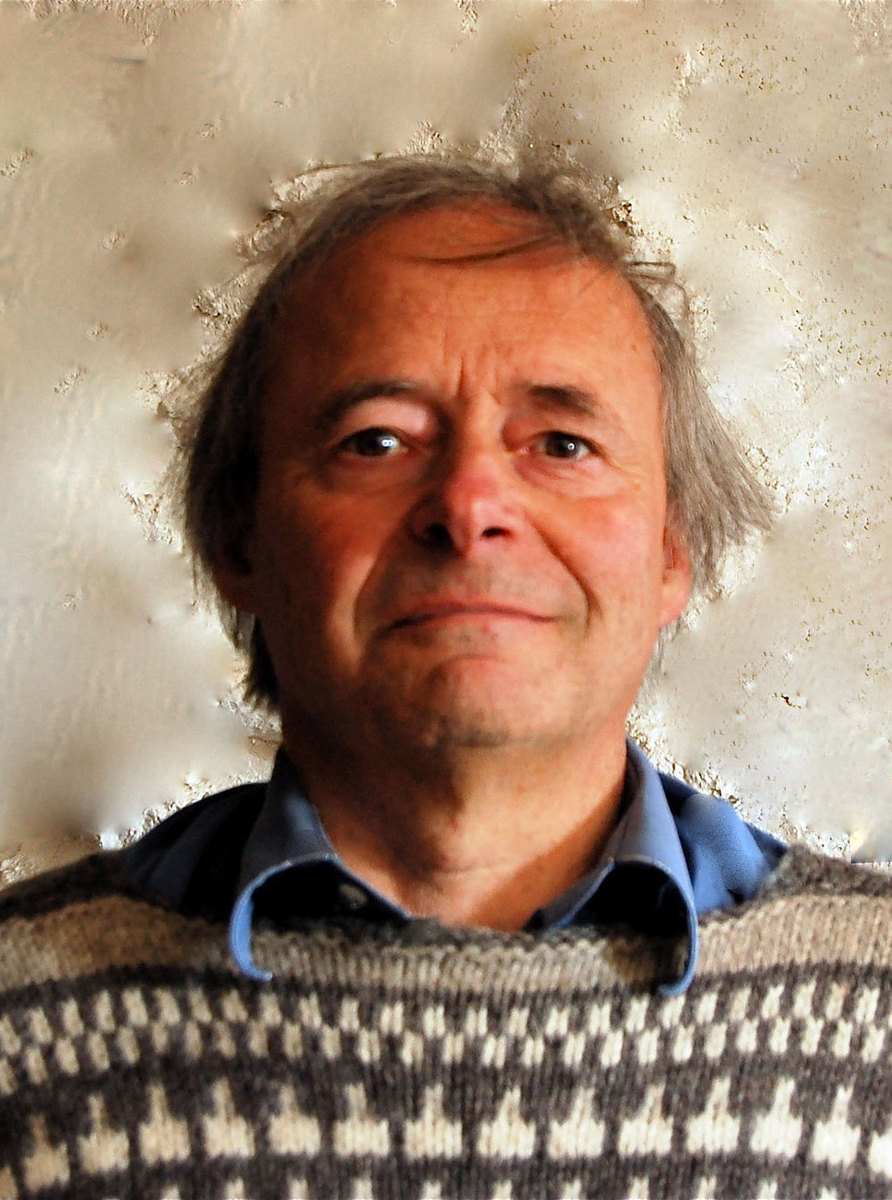
The European Astronomical Society awards its 2014 Tycho Brahe Prize to Professor Antoine
Labeyrie in recognition of his outstanding contributions to modern optical imaging at high
angular resolution. Having invented holographic gratings, he proposed the technique of speckle
interferometry, which allowed to reach the diffraction limit of even the largest telescopes.
Next, he was first to obtain interference fringes between two separate telescopes after the
early single-telescope demonstration by A. Michelson et al. nearly a century ago. He
continues to produce an amazing variety of innovative concepts for optical interferometry
with large diffracting pupils.
Antoine Labeyrie is of French nationality. He did his studies at the University of Paris
and at the Institut d'Optique Théorique et Appliquée, where he obtained his Master's.
He received his PhD from the University of Orsay in 1968, before starting his career as
an optical engineer at the CNRS in 1971. He was appointed Professor at the Collège de
France in 1991 and became a member of the Académie des Sciences in 1994. Throughout his
career, Labeyrie has proved that he is an astronomer of singularly innovative genius,
the source of the most important breakthroughs in the field of high angular resolution
astronomy. Reaching the diffraction limit in optical light, then breaking through even
this frontier by the practical application of interferometry was revolutionary, although
it appears commonplace now.
in recognition of his central role in the development of the European Southern Observatory
facilities that have resulted in Europe's world-leading role in ground-based astronomy.
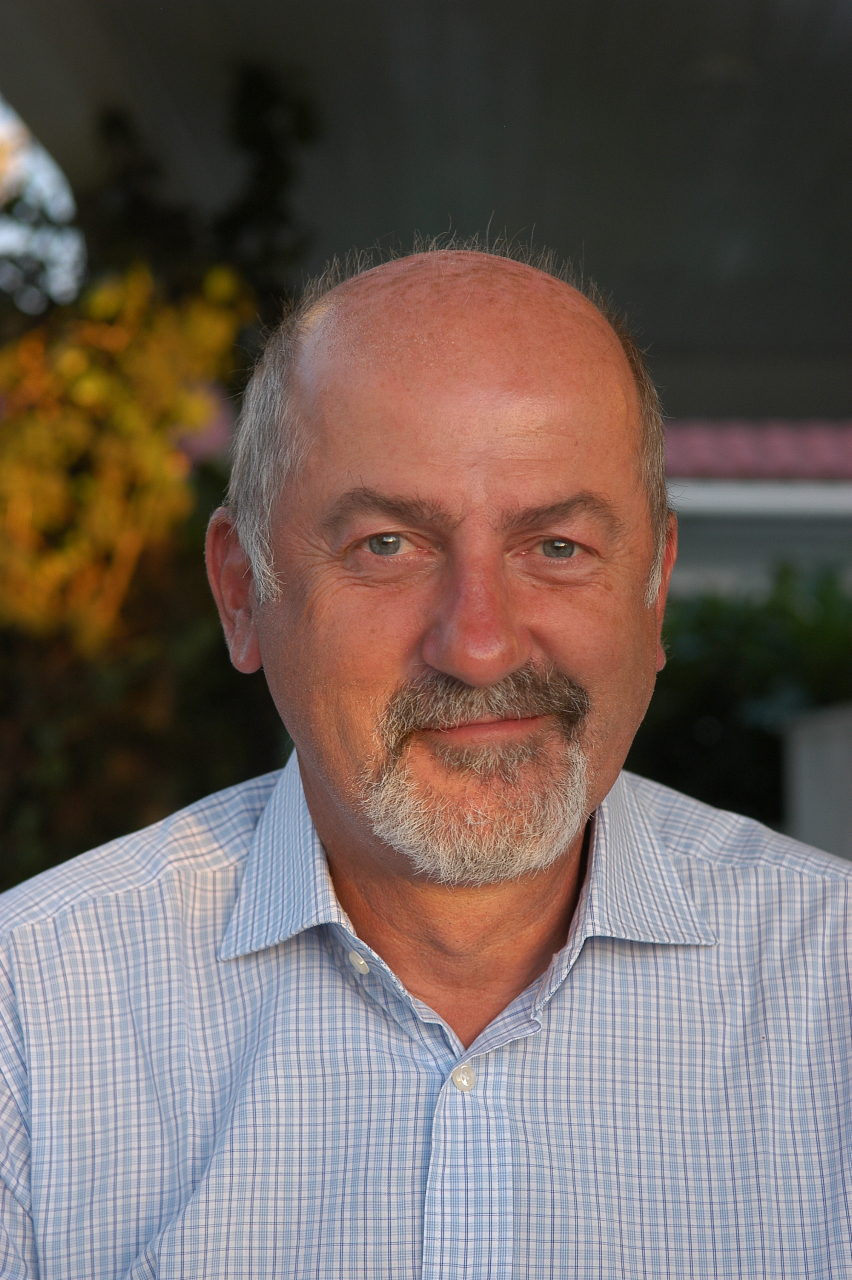
The European Astronomical Society awards its 2013 Tycho Brahe Prize to Professor Massimo
Tarenghi in recognition of his outstanding contributions to the development of all of
the major telescopes and facilities of the European Southern Observatory (ESO). He
played a sequence of pivotal roles in the development of the
European Southern Observatory (ESO) through 35 of ESO's 50 year history. His work
on the MPIA 2.2m telescope, the New Technology Telescope (NTT), the Very Large
Telescope (VLT), the Atacama Large Millimeter Array (ALMA), and the European
Extremely Large Telescope (E-ELT) has resulted in a paradigm-changing
observational infrastructure.
Massimo Tarenghi is of Italian nationality. He did his studies at the University of
Milan where he soon developed a passion for astronomy and for building ever larger
and efficient telescopes. In parallel to his career at ESO, Tarenghi has been Professor
of Astrophysics at the University of Milano and is a member of the Accademia Nazionale
dei Lincei. His astronomical interests include galaxy clusters, the large-scale
distribution of galaxies in the universe, and active galactic nuclei. In 2006 he was
appointed Commendatore della Repubblica Italiana for his scientific achievements. He
spends now part of his time in Germany and part in Chile.
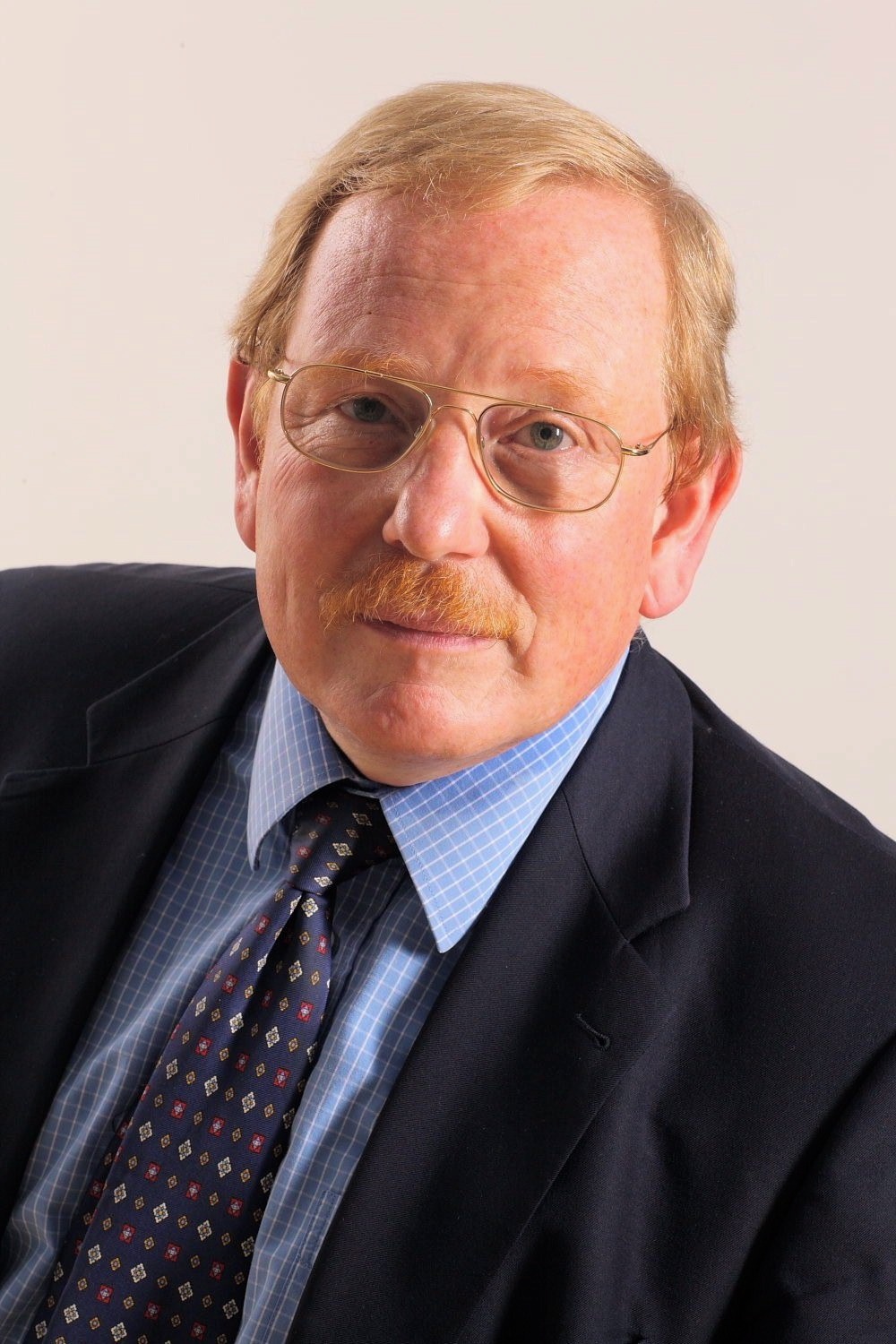
in recognition of his outstanding contributions to European near-infrared astronomy, through
the development of sophisticated instrumentation, and for ground-breaking work in galactic and
extra-galactic astronomy leading to the best evidence to date for the existence of black holes.
Reinhard Genzel and the group led by him were responsible for building the SINFONI
near-infrared integral-field spectrograph for the ESO Very Large Telescope, a key
instrument for the study of the structure and dynamics of distant galaxies, as well
as the detailed dynamics of the Milky Way Galaxy. He and his group have used this
to great effect, pushing the boundaries of our knowledge, be this in our own backyard,
studying the black hole that is at the centre of the Galaxy, or detecting forming
galaxies at redshifts of z ≃ 2.
Reinhard Genzel was born in 1952 in Frankfurt am Main, Germany. He followed a classical
high school curriculum which gave him a lasting interest in history and archeology.
He enjoyed his first training in physics in early years from his father, a well known
solid state physicists.
Sports were also part of his early years; he trained in handball and javelin/discus.
He studied physics and astronomy in Germany, obtaining a PhD in radioastronomy in Bonn.
He then spent a number of years in the US, in Harvard and Berkeley, before joining the Max
Planck Institute for Extraterrestrial Physics in Garching. He spends now part of his time
in Germany and part in the US.
for his crucial role in the fostering of high precision, global stellar astrometry
from space, in particular the development of the Hipparcos mission.
Prof. Michael Perryman was the mission scientist and, during the operational phase,
the mission manager of Hipparcos — the first astrometric satellite of the European
Space Agency (ESA). In these roles he untiringly led the mission through many difficulties
to its ultimate success. His understanding of the astrophysics, of the physics and technology
involved in the satellite and its instruments as well as his intelligence of human relations
contributed to a major extent to the success of the mission.
Prof. Michael Perryman is of British nationality. He was born in 1954, studied in Cambridge
where he obtained his PhD in 1980. He then worked for ESA for the Hipparcos project and its
successor mission until 2009, when he left for a visiting position in Heidelberg and now in
Bristol.
Dr. Wilson has made in the last two decades of the 20th century contributions
of the utmost importance to the technology of astronomical telescopes. His
profound theoretical and practical knowledge of optics and his vision for
achieving optical perfection led him to the concept of Active Optics which
changed the world of large telescopes overnight: No major telescope will any
longer be built without Active Optics. With Active Optics the shape and the
alignment of telescope mirrors are constantly monitored and automatically
corrected which leads to the best possible images obtained with a telescope.
This concept was embodied first in the New Technology Telescope of the
European Southern Observatory (ESO) and was carried to its logical conclusion
in the ESO Very Large Telescope (VLT), a telescope array of four individual
8.15-m telescopes. Thanks to Active Optics, the consistently superb image
quality of the VLT has made it the world's most successful ground-based
observatory and re-established Europe in a leadership position in observational
optical astronomy.
Dr. Wilson came to ESO in 1972 after 11 years as Head of the Design Department
for telescopes at Zeiss Oberkochen. At ESO Dr. Wilson was the initiator and the
Head of the Optics and Telescopes Group. After his retirement in 1993 he worked
tirelessly to prepare and update his monumental two-volume monograph "Reflecting
Telescope Optics" which has become a benchmark in the field. Moreover, he extended
the two- mirror telescope designs to the three-, four-, and five mirror designs
that are now being explored in the next generation of extremely large telescopes.
Prof. Françoise Combes is one of the leading astrophysicists in the field
of extragalactic astronomy. She has done fundamental work in the area of
dynamics of galaxies, on the interstellar medium in extragalactic systems,
molecular absorption lines in the intergalactic medium, and on Dark Matter
in the Universe. The basis of her work is formed by observations in the
optical spectral range with the Very Large Telescope of the European
Organisation for Astronomical Research in the Southern Hemisphere (ESO)
and in the radio domain with telescopes of the Institut de Radioastronomie
Millimétrique (IRAM). These observations are then combined with
theoretical studies. Françoise Combes is a prototype of the "New
Astronomer" who combines observations at multiple wavelengths and theory.
Françoise Combes is professor at the Observatoire de Paris. She is author
or co-author of more than 500 astronomical publications and has established
most successful scientific collaborations with many groups in Europe and the
USA. Chairing one of the five panels of the European initiative ASTRONET,
she has substantial influence on the planning of future European
instrumentation. She is presently editor of the European journal Astronomy
& Astrophysics and was President of the French Society of Astronomy and
Astrophysics. She has many distinctions among which that of Chevalier de
la Legion d'Honneur, the Silver Medal of the CNRS, and the IBM Prize in
physics. She is a member of the French Académie des sciences.
Prof. Göran Scharmer, born in 1951, is director of the Institute for Solar
Physics of the Royal Swedish Academy of Sciences and professor at Stockholm
University, Sweden. He is one of the leading solar physicists with a remarkable
track record in advancing ground-based solar observations. The unprecedented
sharpness of solar images taken with telescopes that Scharmer developed is
currently leading to new insights into the physics of the photosphere and
chromosphere of our Sun. The planning and construction of these telescopes which
are located on Roque de los Muchachos, a mountain peak on the Island of La Palma,
differs from many other recent advances in astronomical instrumentation in that
one person – Göran Scharmer – is clearly identifiable as the originator
of the concepts and driver of their realization.
The Swedish 1-m Solar Telescope (SST) is currently the world's best solar
telescope, capable of reaching the highest angular resolution. It was the
first solar telescope to reach an angular resolution of 0.1 arc sec (this
is about one twenty thousandth of the solar diameter!). Among other things,
the SST has discovered new features in sunspots, clarified the nature of
solar faculae (which are emission areas brighter than the rest of the solar
surface), and made high-temporal resolution observations which have led to
great leaps in our understanding of chromospheric phenomena (the chromosphere
is the lowest part of the solar atmosphere). Prof. Scharmer has also established
most successful scientific collaborations with the strongest solar groups in
Europe and the USA.
In 2007, the EAS has created the Tycho Brahe Prize — to be awarded annually
— in recognition of the exploitation or development of European instruments which led to major discoveries. From 2019, EAS awards the Tycho Brahe Medal.
Award
Until 2018, the prize carried a monetary reward of € 6000.–. From 2019, a medal and a certificate
is awarded. The award ceremony
takes place during the annual EAS meeting. The winner of the medal
is invited to present a talk at one of the plenary sessions.
Nomination
There are no restrictions to nationality of the candidates nor to the
country of origin or residence. Nominations should arrive at the EAS
Office by the end of October of the year preceding the award. Nominations
can only be made by EAS members and need to be endorsed by 2 additional persons, at least one of them being an EAS member.
Note that self-nominations are not allowed.
Selection procedure
EAS Council appoints a Prize Award Committee. This committee
consists of a Chair and about 5–7 members. The Chair has qualifying vote.
The Award Committee forwards its selection to EAS Council for
ratification.
Funding
Until 2016, The Tycho Brahe Prize was funded by the
Klaus Tschira Stiftung,
a German foundation, which was established by the physicist Klaus Tschira
in 1995 as a non-profit organisation.




 The 2023 Tycho Brahe Medal is awarded to
 The 2022 Tycho Brahe Medal is awarded to
 The 2021 Tycho Brahe Medal is awarded to
 The 2020 Tycho Brahe Medal is awarded to
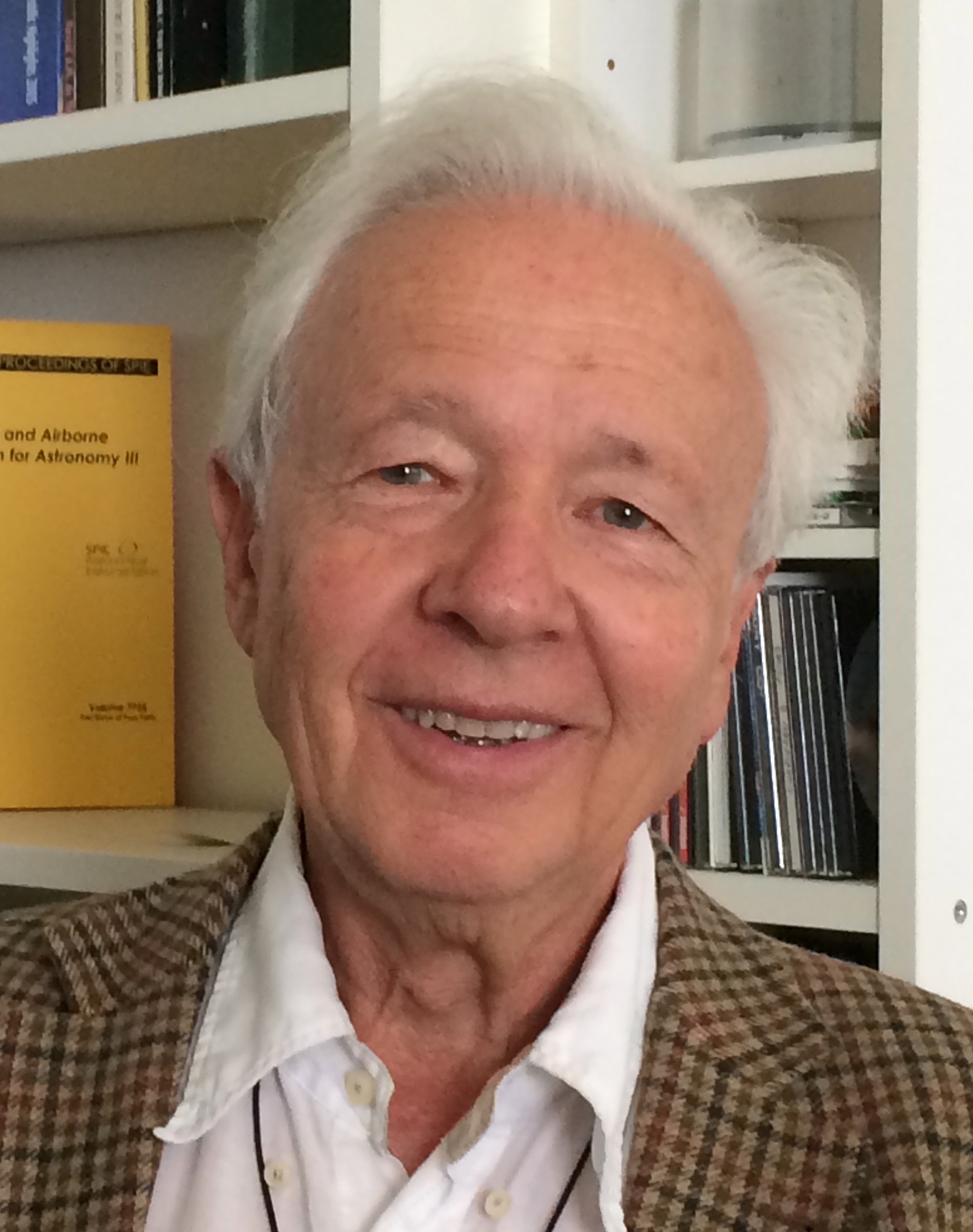 The 2019 Tycho Brahe Medal is awarded to
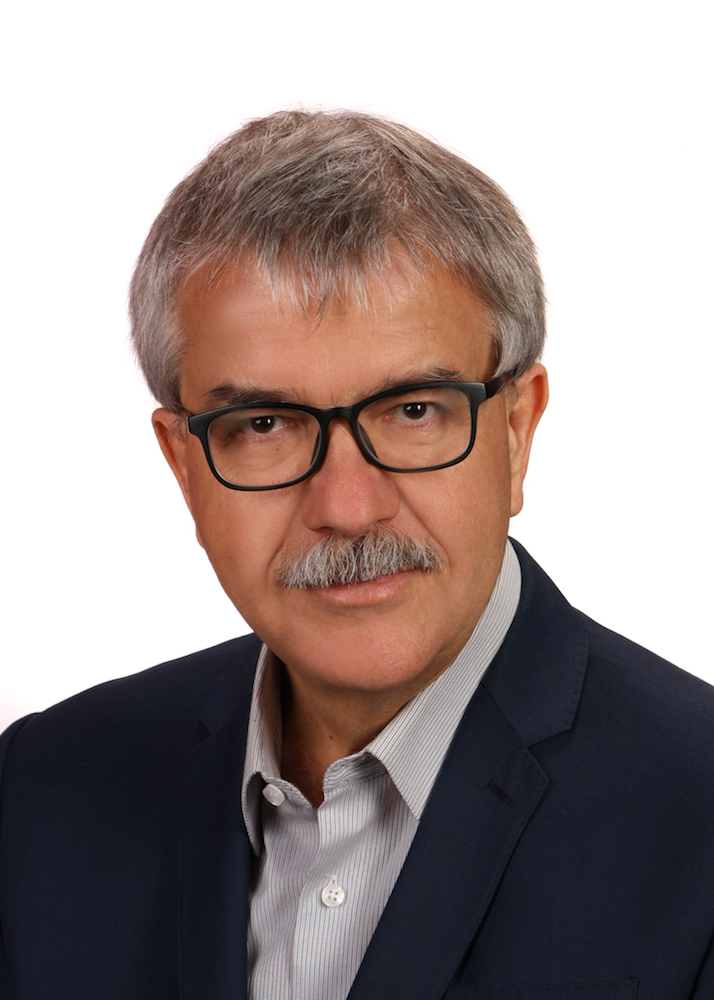 The 2018 Tycho Brahe Prize is awarded to
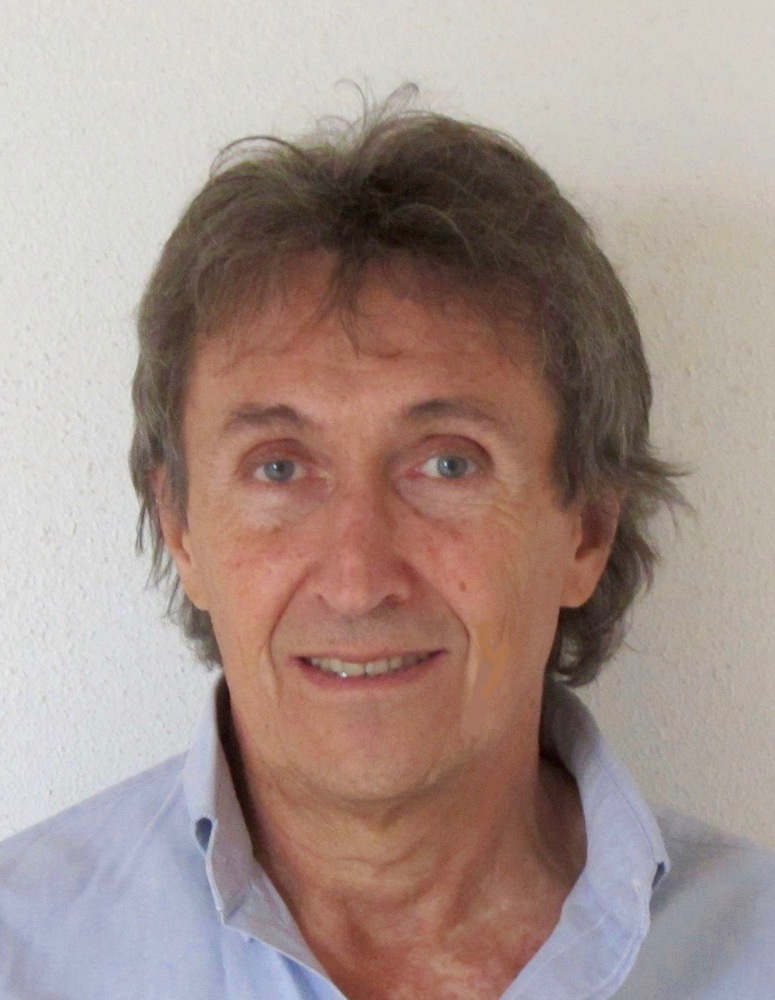 The 2017 Tycho Brahe Prize is awarded to
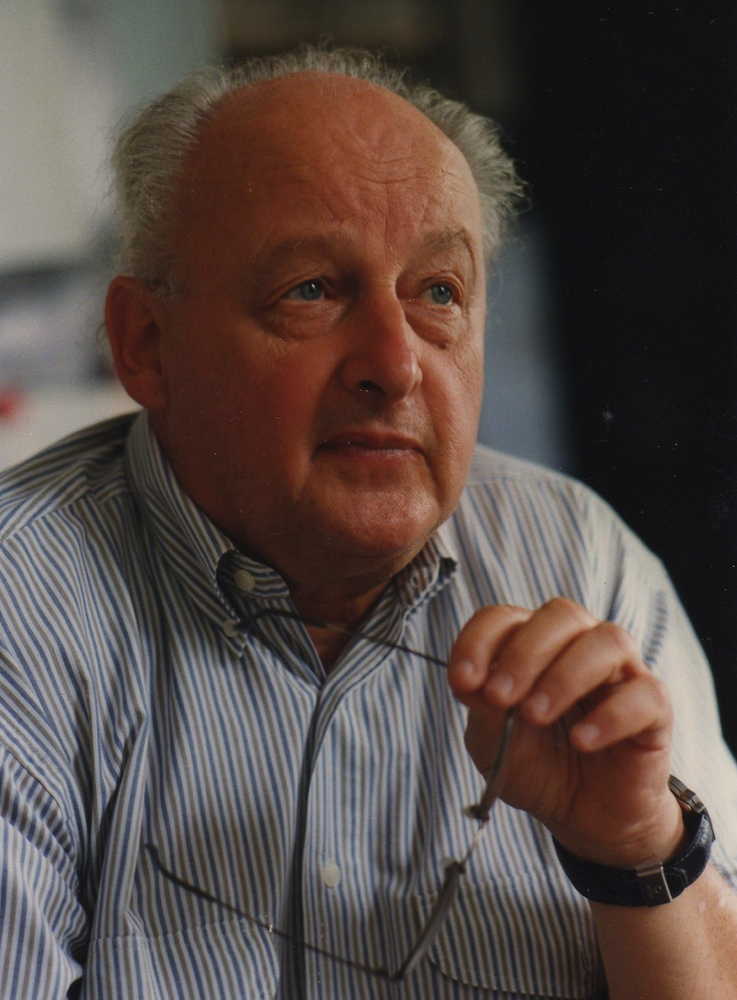 The 2016 Tycho Brahe Prize is awarded to
 The 2015 Tycho Brahe Prize is awarded to
 The 2014 Tycho Brahe Prize is awarded to
 The 2013 Tycho Brahe Prize is awarded to
 The 2012 Tycho Brahe Prize is awarded to
 The 2011 Tycho Brahe Prize is awarded to